

CES ends today and children around the world are singing happy songs. The massive consumer electronics convention is an absolute marathon for technophiles, businessmen and journalists alike. All of that effort culminates in some of the biggest tech announcements of the year and this year, for virtual reality, that meant one thing: the Vive tracker.
This year’s CES was relatively quiet for VR in general. Microsoft’s $300 partner headsets were on display (although no one was allowed to actually turn them on) and companies like Intel and Qualcomm were showing off impressive reference designs that could mean big things for the future. But there was only one organization releasing new VR hardware that would have a direct and immediate impact on the industry. That company was HTC.
HTC unveiled its new elite head strap, complete with integrated audio, but its most important announcement was the Vive Tracker. This is a small, puck-like device that can make any object detectable for the Vive’s unique Lighthouse tracking system. The tracker has the potential to revolutionize VR experiences and is already being embraced by developers for baseball bats, 3D printed rifles, cameras and more. The tracker is a huge stimulant for the VR ecosystem, but is it the most effective?
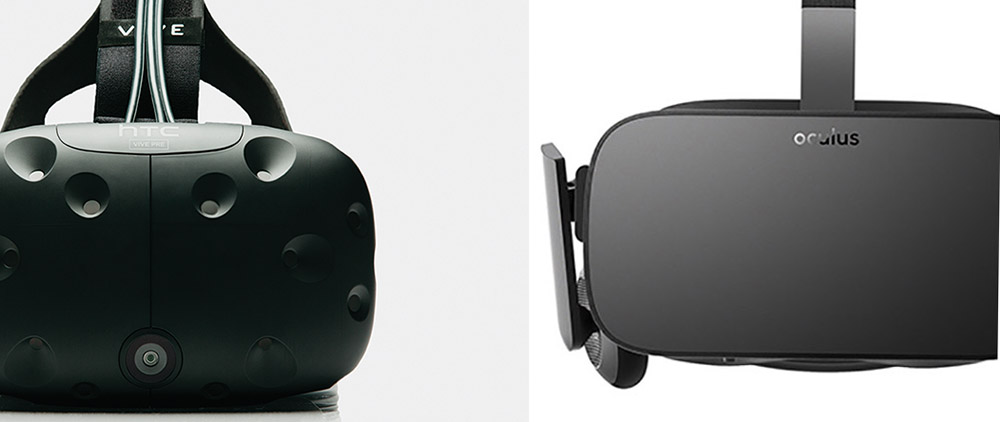
HTC’s opposite number right now is Facebook. The social media giant’s Oculus division is the creator of the Rift headset and the Touch motion controllers. Facebook’s CEO, Mark Zuckerberg, is also on record that his company has spent $250 million on VR content development so far, with at least another $250 million on the way. Facebook’s money is a powerful thing and it is enabling studios to create VR experiences that would never make financial sense without the free gifts Zuckerberg and his team are handing out.
Our question for you this week, therefore, is this: between HTC and Facebook, who is doing more to grow VR into a larger and more viable industry? On the one hand you have the hardware innovations of HTC and on the other you have untold millions being spent on content by Facebook.
Which strategy do you think is most effective? Which company is most significantly benefiting the VR space for both creators and consumers? Let us know in the comments below.
Tagged with: community download, discussion, download, facebook, grow, htc, oculus
Source: Community Download: HTC or Facebook – Who Is Doing More To Grow VR?